Phase01
Discovery & Outcome Framing
1–2 weeks
Workshops • User research
Rapid alignment on problem, constraints and KPIs that define success.
- Problem Hypothesis
- Success Metrics
- High-level Architecture
Learn more
Step 01

LOADING…

Expert backend architecture that powers enterprise applications. We build high-performance, secure, and scalable server-side systems that handle millions of requests while maintaining data integrity and optimal performance at every scale.
APIs Built
100+
Years Experience
8+
Uptime Rate
99.9%
Avg Response Time
<50ms
Backend development is the cornerstone of every robust digital product. It's where scalability meets security, and where architecture directly impacts user experience. Our engineering approach combines system design excellence, performance optimization, and security-first principles to build backend systems that are not just functional, but strategically aligned with your business growth.
We employ a rigorous, scalability-focused development process: technical architecture design, database optimization, API design patterns, security auditing, and performance benchmarking. Every microservice, database query, and endpoint is engineered for reliability, scalability, and maintainability under real-world production loads.
Whether building microservices for startups, optimizing legacy systems for enterprises, or scaling APIs handling millions of requests, we deliver production-ready infrastructure designed for performance. We ensure uptime targets are metâ€â€99.9%+ availability, sub-50ms response times, optimal resource utilizationâ€â€because backend reliability directly impacts revenue, user retention, and competitive advantage.
Our end-to-end backend expertise spans architecture consultation, technical planning, service design, database optimization, API development, deployment automation, and continuous monitoring. We partner collaboratively with your team, providing transparent communication, security reviews, and strategic recommendationsâ€â€focused on delivering systems that scale with your business and maintain peak performance through every growth milestone.
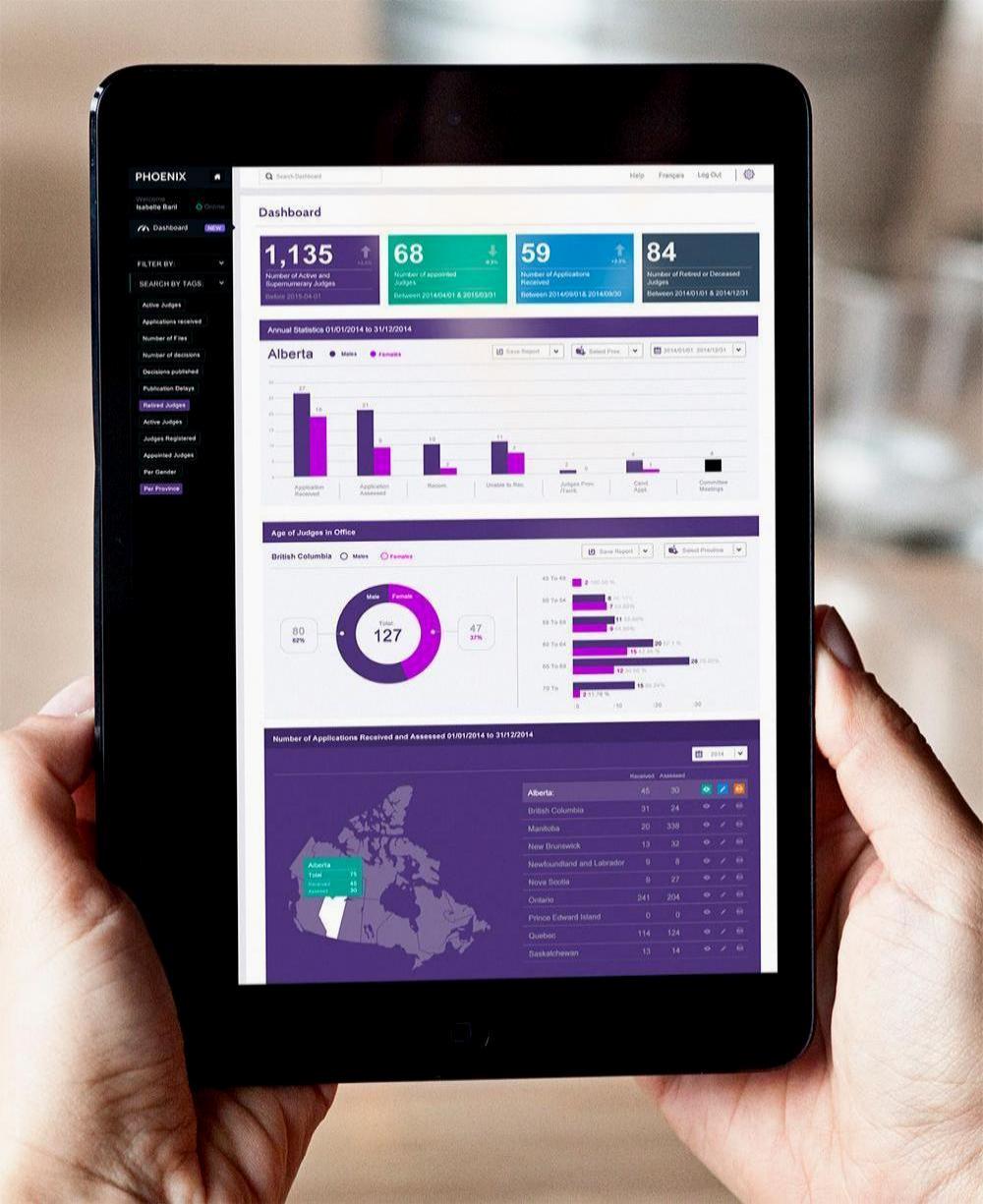

Enterprise-grade backend infrastructure that powers mission-critical applications. We architect systems that handle millions of requests, ensure data integrity, and scale seamlessly as your business grows. Every component is engineered, tested, and validated for production excellence.
Enterprise-grade backend solutions engineered for mission-critical applications. Each service combines cutting-edge technology, rigorous security practices, and scalable architecture patterns tailored to your specific business requirements and growth trajectory.

We design and build robust APIs that enable your application to seamlessly communicate with external systems, services, and data sources.
Our API development expertise spans from straightforward RESTful endpoints to complex GraphQL implementations, designed to be secure, scalable, and easy to consume by third-party integrations, mobile clients, and web applications. We implement comprehensive API authentication (OAuth 2.0, API keys, JWT), rate limiting, caching strategies (Redis/Memcached), and comprehensive versioning protocols to ensure backward compatibility as your system evolves.
Key Capabilities:Sub-100ms response times | OpenAPI/Swagger documentation | OWASP compliance | SDK generation | Webhook architectures | Performance monitoring | 99.95%+ availability SLA | Comprehensive error handling

We build production-grade backend systems for web applications that deliver strong performance and support long-term growth.
Our web application backend solutions support everything from MVP SaaS platforms to high-traffic e-commerce systems. We design architectures that scale from 1,000 to 10+ million daily active users without requiring fundamental rework. Our approach includes database optimization with strategic indexing, connection pooling, asynchronous job processing, intelligent caching layers, and load balancing strategies that ensure optimal performance under peak demand. We implement zero-downtime deployment strategies, comprehensive backup systems, and disaster recovery procedures with defined RTO/RPO targets.
Key Capabilities:100K+ requests/second | Multi-database strategy | ACID transactions | Connection pooling | Job queues | Cache warming | Blue-green deployments | Multi-region redundancy | Automated scaling | Real-time metrics

Our mobile app backend expertise ensures optimal server-side performance and seamless integration with mobile front-end implementations.
Mobile backends demand specialized architectures considering unreliable networks, intermittent connectivity, battery constraints, and cross-platform compatibility. We implement intelligent offline-first sync engines with differential data updates, compressed payloads, and sophisticated retry mechanisms with exponential backoff. Our push notification infrastructure supports batch campaigns, segmentation, and A/B testing. We implement API versioning strategies supporting multiple app versions simultaneously, feature flagging for gradual rollouts, and comprehensive analytics integration for user behavior tracking and engagement optimization.
Key Capabilities:Offline-first sync engine | Sub-200ms response times on 4G | Push notification management | Feature flagging | A/B testing infrastructure | Device management | Version compatibility | Network traffic optimization | Battery optimization | Real-time data synchronization

We design, configure, and optimize high-performance servers tailored to your specific use case and operational requirements.
Custom server development addresses unique infrastructure requirements that off-the-shelf solutions cannot accommodate. We conduct comprehensive capacity planning analysis, implement load balancing across multiple servers, configure auto-scaling policies based on traffic patterns and resource utilization metrics. Our approach includes security hardening (firewall rules, intrusion detection, DDoS mitigation), performance tuning (kernel optimization, memory management), monitoring dashboards with alerting, and comprehensive logging for security and compliance auditing. We ensure 99.99% uptime availability through redundancy, failover mechanisms, and proactive health monitoring.
Key Capabilities:99.99% uptime SLA | Multi-server load balancing | Auto-scaling based on metrics | Security hardening | DDoS protection | Comprehensive logging | Real-time monitoring | Incident response procedures | Performance optimization | Compliance auditing

We build custom backend systems from the ground up, tailored to your specific business requirements and technical constraints.
Our custom backend solutions represent end-to-end system design, from detailed requirements analysis through production deployment and ongoing optimization. We conduct comprehensive technical discovery sessions to understand your business processes, competitive requirements, and growth projections. Our architectural approach includes detailed system design documentation, database schema optimization for your access patterns, microservices boundaries using domain-driven design principles, API contract specifications, security architecture reviews, and comprehensive test coverage (unit, integration, end-to-end, performance, security). We implement industry best practices for error handling, logging, monitoring, and observability to ensure production readiness.
Key Capabilities:Comprehensive architecture design | Domain-driven design | Database optimization | Microservices patterns | Security architecture | Comprehensive testing | Error handling strategies | Logging & monitoring | Performance benchmarking | Production deployment support

We architect cloud-native infrastructure leveraging AWS, GCP, and Azure for scalability, cost-efficiency, and high availability.
Our cloud infrastructure expertise spans multi-cloud strategies, Infrastructure-as-Code (Terraform, CloudFormation), containerization (Docker), orchestration (Kubernetes), and serverless architectures. We design cost-optimized cloud solutions through resource right-sizing, reserved instance strategies, and automated cost analysis. Our CI/CD pipelines enable rapid deployment with automated testing, security scanning, and progressive rollout strategies. We implement comprehensive disaster recovery procedures with geographic redundancy, automated failover, and RPO/RTO targets aligned to business requirements. We provide ongoing cloud optimization consulting to continuously reduce operational costs while improving performance and reliability.
Key Capabilities:Multi-cloud capability | Infrastructure-as-Code | Cost optimization | Containerization | Kubernetes orchestration | Serverless patterns | CI/CD automation | Disaster recovery | Geographic redundancy | Continuous optimization

We conduct comprehensive audits of existing backend systems to identify vulnerabilities, inefficiencies, and architectural improvements.
Our code audit services provide deep technical analysis of your existing backend infrastructure. We conduct vulnerability scanning (OWASP Top 10), performance profiling to identify bottlenecks, query optimization analysis, architectural review against industry best practices, and security compliance verification. Our detailed audit reports include executive summaries, technical findings with severity ratings, remediation roadmaps with prioritization, cost-benefit analysis for recommended improvements, and estimated implementation timelines. We deliver not just problems, but actionable solutions with clear business impact metrics. Our typical optimization projects deliver 50–300% query performance improvements, reduce p95 latency by 70%+, and lower database operational costs by 40–60%.
Key Capabilities:OWASP vulnerability scanning | Performance profiling | Query optimization analysis | Architecture review | Security compliance verification | Remediation roadmap | Cost-benefit analysis | Implementation timelines | Detailed reporting | Post-audit support

We specialize in transforming legacy backend systems into modern, scalable, and maintainable architectures.
Legacy system modernization requires careful planning to minimize disruption while maximizing improvements. We employ incremental migration strategies that allow your business to continue operating while we gradually transform your infrastructure. Our approach includes detailed legacy system analysis, identification of technical debt and inefficiencies, design of modern architecture aligned with current best practices, phased migration planning with minimal downtime, and comprehensive testing at each phase. We implement API-first approaches that maintain backward compatibility while gradually transitioning to modern systems. Our modernization projects typically improve system maintainability by 80%+, reduce operational costs by 30–50%, improve performance by 2–5x, and dramatically improve developer productivity by reducing complexity and improving code clarity.
Key Capabilities:Incremental migration strategy | Legacy system analysis | Technical debt assessment | Modern architecture design | API-first approach | Phased implementation | Backward compatibility | Comprehensive testing | Minimal downtime | Knowledge transfer
Our backend development services architect scalable, secure, and high-performance server infrastructure engineered to power sophisticated digital experiences. We combine enterprise-grade design patterns, rigorous security practices, and cutting-edge technologies to create robust systems that evolve with your business while delivering measurable ROI and operational excellence.
APIs are the essential bridge between your backend infrastructure and the broader digital ecosystem. We design and develop secure, scalable, well-architected APIs that enable seamless communication across platforms, services, and internal systems. Whether building RESTful endpoints for traditional client-server architectures or leveraging GraphQL for flexible, efficient data fetching, we architect APIs that prioritize developer experience, performance, and maintainability. Our implementation includes comprehensive documentation, automated testing, rate limiting, caching strategies, and security hardening with OAuth 2.0/JWT authentication.
Typical integrations span payment gateways (Stripe, PayPal), social platforms (OAuth), CRM systems, analytics services, and proprietary enterprise solutions. We deliver API gateway configurations, versioning strategies, detailed OpenAPI/Swagger specifications, and client SDKs. Projects typically span 4–8 weeks for MVP APIs; enterprise integration architectures requiring multi-year evolution frameworks extend 12–16 weeks. Performance targets: sub-100ms p95 latency, 99.95% availability SLA, comprehensive logging and monitoring instrumentation.
metrics to display KPIs.Enterprise web applications demand sophisticated backend architectures capable of supporting millions of daily users. We architect modular, loosely-coupled systems using microservices patterns, event-driven architectures, and domain-driven design principles. Our approach begins with deep business requirement analysis, domain modeling, and technology selection aligned to your growth trajectory. We design for horizontal scalability, implement circuit breakers and service mesh infrastructure, and establish clear API contracts between services.
Deliverables include comprehensive architecture documentation, service decomposition diagrams, database schema design with normalization/denormalization strategies, distributed transaction patterns (sagas), and DevOps-ready deployment configurations. We support 10M+ daily active users with zero-downtime deployments, multi-region redundancy, and 99.99% availability targets. Typical engagements span 8–16 weeks for foundational architecture; ongoing optimization and scaling represents 40–50% efficiency gains within 6 months of deployment through caching, indexing, and asynchronous processing strategies.
metrics to display KPIs.Mobile applications require specialized backend infrastructure handling offline scenarios, real-time synchronization, push notifications, and bandwidth optimization. We build resilient backends supporting offline-first architectures with eventual consistency models, change data capture (CDC) for sync mechanisms, and conflict resolution strategies. Our implementations include comprehensive push notification systems (Firebase, OneSignal), A/B testing frameworks, feature flag infrastructure, and analytics instrumentation tracking user behavior across touchpoints.
Deliverables include sync protocol specification, offline queue management systems, real-time push infrastructure with deep linking, usage analytics dashboards, and mobile-optimized API endpoints. We reduce sync overhead by 70% through delta synchronization and intelligent batching. Feature management infrastructure enables 100% rollout automation. Projects span 6–12 weeks for MVP backends; enterprise applications with complex sync requirements and white-label support extend 14–20 weeks. Typical performance: sub-500ms sync times, 99.9% message delivery reliability, support for 100K+ concurrent connected clients.
metrics to display KPIs.Enterprise applications demand more than commodity hostingâ€â€they require purpose-built infrastructure with enterprise-grade security, disaster recovery, and compliance capabilities. We configure highly available server environments with redundancy across availability zones, automated failover, and load balancing. Our infrastructure implementations include DDoS mitigation, Web Application Firewalls (WAF), SSL/TLS termination, and security hardening following CIS benchmarks. We implement infrastructure-as-code (Terraform, CloudFormation) for reproducibility and disaster recovery.
Deliverables include infrastructure documentation, monitoring and alerting configurations, automated backup and recovery procedures, security audit reports, and compliance attestations (SOC 2, HIPAA, GDPR). We achieve 99.99% uptime through multi-region active-active deployments and automated incident response. Implementation spans 4–8 weeks for straightforward setups; complex compliance requirements (fintech, healthcare) require 10–16 weeks. Ongoing management typically represents 15–25% infrastructure cost savings through optimization and right-sizing.
metrics to display KPIs.Building sophisticated backend systems requires more than codeâ€â€it demands disciplined architecture applying domain-driven design, clean architecture principles, and SOLID design patterns. We architect layered systems with clear separation of concerns: presentation, application, domain, and infrastructure layers. Our approach emphasizes testability, maintainability, and scalability through rigorous design patterns, comprehensive test coverage (unit, integration, end-to-end), and continuous refactoring to maintain code quality over time.
Deliverables include architecture decision records (ADRs), comprehensive design documentation, test coverage reports (>80% target), design pattern implementation guides, and technology stack recommendations. We establish automated quality gates enforcing test coverage, code complexity analysis, and security scanning. Projects span 6–12 weeks for architecture design and initial implementation; 50–70% of initial scope typically represents architectural refactoring and optimization. Continuous architecture evolution ensures systems remain maintainable as they scale from 10K to 10M requests daily.
metrics to display KPIs.Cloud computing offers unprecedented scalability, but maximizing value requires strategic planning and expert implementation. We architect cloud-native solutions leveraging managed services (Lambda, Cloud Run, RDS, Firestore) to reduce operational overhead while improving scalability and reliability. Our multi-cloud strategies prevent vendor lock-in through abstraction layers and portable container architectures, enabling optimal service selection from each provider's strongest offerings. We implement infrastructure-as-code across clouds using Terraform, enabling reproducible deployments and disaster recovery.
Deliverables include cloud architecture diagrams, cost optimization analysis (typically 30–50% savings through reserved instances and resource right-sizing), containerization strategies (Docker, Kubernetes), CI/CD pipelines, and disaster recovery procedures. Multi-cloud implementations span 8–16 weeks for greenfield projects; existing workload cloud migrations typically require 12–24 weeks. Post-deployment, continuous optimization delivers 40–60% cost improvements within the first year through RI purchasing, spot instances, and workload consolidation.
metrics to display KPIs.Existing backend systems often accumulate technical debt, performance bottlenecks, and security vulnerabilities. Our comprehensive code audits and performance analysis examine architecture efficiency, database query performance, caching strategies, security posture (OWASP Top 10), and operational costs. We profile systems under production load, identify latency hotspots, analyze resource utilization, and recommend targeted optimizations with ROI projections. Our approach combines automated analysis tools with expert manual review.
Deliverables include detailed audit reports with findings categorized by severity and remediation effort, cost-benefit analysis for optimization recommendations, performance baseline metrics, and prioritized remediation roadmap. Typical systems achieve 50–300% performance improvements through query optimization (70–80% latency reduction), strategic caching, connection pooling, and asynchronous processing. Audits typically span 2–4 weeks; implementation of high-impact recommendations (80/20 rule) spans 4–8 weeks. Security audit findings are immediately actionable: 15–30% of issues are critical/high severity requiring urgent remediation.
metrics to display KPIs.Legacy systems represent significant business value but often constrain innovation and impose operational overhead. We design and execute incremental modernization strategies using the Strangler Fig pattern, gradually replacing legacy components with modern services while maintaining backward compatibility and zero-downtime deployments. Our approach prioritizes business continuity, minimal risk, and measurable value delivery at each phase. We establish clear success metrics: performance gains, cost reduction, developer productivity, and capability expansion.
Deliverables include modernization roadmap spanning 12–36 months, phased migration plan with rollback procedures, parallel run testing protocols, and comprehensive cutover documentation. We reduce technical debt by 60–80% through measured steps, achieving immediate value (20% cost reduction, 30% performance improvement) while positioning systems for future growth. Each phase delivers tangible business outcomes: reduced maintenance burden, faster feature delivery, improved reliability. Legacy systems modernized using our approach consistently show 2–3x capability improvements within 18 months while reducing total cost of ownership by 40–60%.
metrics to display KPIs.Selection driven by project constraints: latency budget, concurrency, operational complexity and long-term maintainability. Below are curated platform patterns — each entry lists strengths, ideal use-cases and maturity signals to help align tech to business outcomes.

Next.js combines hybrid rendering (SSR/SSG/ISR) with edge-execution, enabling sub-second time-to-first-byte and SEO-friendly content delivery. Recommended for consumer-facing platforms with heavy SEO, personalization at the edge, or where server-side logic and static generation coexist.

Symfony provides a proven component-based architecture and strict conventions ideal for large codebases, domain-driven design, and long-term maintainability. Favoured where predictable upgrade paths, dependency injection, and testability are priorities.

ASP.NET Core delivers a high-performance, cross-platform runtime suitable for latency-sensitive services, high-throughput APIs and compute-heavy workloads. Strong typing and first-class tooling reduce runtime surprises and improve maintainability in large teams.

Laravel emphasises developer ergonomics with batteries-included conventions: expressive ORM (Eloquent), first-class queueing, and integrated tooling for authentication and caching. Well-suited for rapid product iteration while keeping patterns maintainable.

Rails provides rapid developer velocity through opinionated conventions and a rich ecosystem. It's a strong choice for startups and marketplaces that prioritise fast iteration while keeping an eye on maintainability via well-established patterns.

Node.js is optimal for high-concurrency, I/O-bound workloads and real-time platforms. When combined with TypeScript and modern frameworks it provides rapid delivery while remaining operationally lightweight.

Designing backend systems that scale to millions while keeping observability, security and developer productivity central to every decision.
Engineered outcomes: from sub-second P95 service-levels to secure, observable platforms. The benefits below summarise the measurable value delivered by a production-grade backend engineered for scale, resilience and developer velocity.

Institutionalised engineering practices: CI/CD pipelines with automated gates, branching strategies, peer-driven code reviews, and staged rollout patterns. These practices reduce mean time to recovery (MTTR) and improve release frequency while preserving stability.

Defence-in-depth architecture combining transport and at-rest encryption, hardened runtime configurations, identity & access management, and continuous security validation. Compliance readiness (SOC2, ISO27001, HIPAA) is integrated into the delivery lifecycle where required.

Architectural patterns tuned to your domain: service decomposition, data partitioning, eventual consistency patterns, asynchronous processing and resilient communication (retries, idempotency, dead-lettering). Design choices focus on total cost of ownership and operational simplicity at scale.
We specialize in crafting high-impact marketing websites, innovative web apps, and mobile applications that drive real results. From funded startups to established businesses, we've helped a wide range of clients bring their digital products to life -delivering standout experiences that fuel growth, engagement, and long-term success.
Years Experience
Team Members
Products Launched
Successful rebrands
Increase in Website Traffic
Rapid alignment on problem, constraints and KPIs that define success.
Define bounded contexts, data contracts and service topology.
Continuous delivery with contract tests, telemetry and feature gating.
Non-functional validation and runbook generation for predictable failures.
SLO-driven deploys (canary/blue-green) and tuned alerting for operations.
Handover, continuous improvement and product-driven iteration cycles.