LOADING…

⌘K
LOADING…

A focused discovery engagement turns early questions into documented product, user, and technical findings. Align stakeholders on the problem, compare options, identify key risks, and leave with a practical basis for deciding what to build next.
Discovery establishes a shared understanding of the problem before delivery commitments are made. We work with stakeholders to clarify business goals, user needs, constraints, and what evidence would support a decision to proceed, change direction, or investigate further.
Depending on scope, work may include stakeholder interviews, research review, competitor analysis, technical assessment, and prototype evaluation. Findings distinguish observed evidence from assumptions and translate into prioritized questions, requirements, and decision points.
For a new product, an existing service, or a proposed change, the work is tailored to the decisions at hand. We surface feasibility constraints, dependencies, security and data considerations, and areas where further customer or technical evidence is needed.
Typical outputs can include a problem statement, user journeys, prioritized requirements, prototype findings, an architecture overview, a risk register, and a phased roadmap. Recommendations are evidence-informed, not a guarantee of market demand or delivery outcomes.
Examples of research, product design, and planning artifacts that can inform discovery decisions and subsequent delivery.
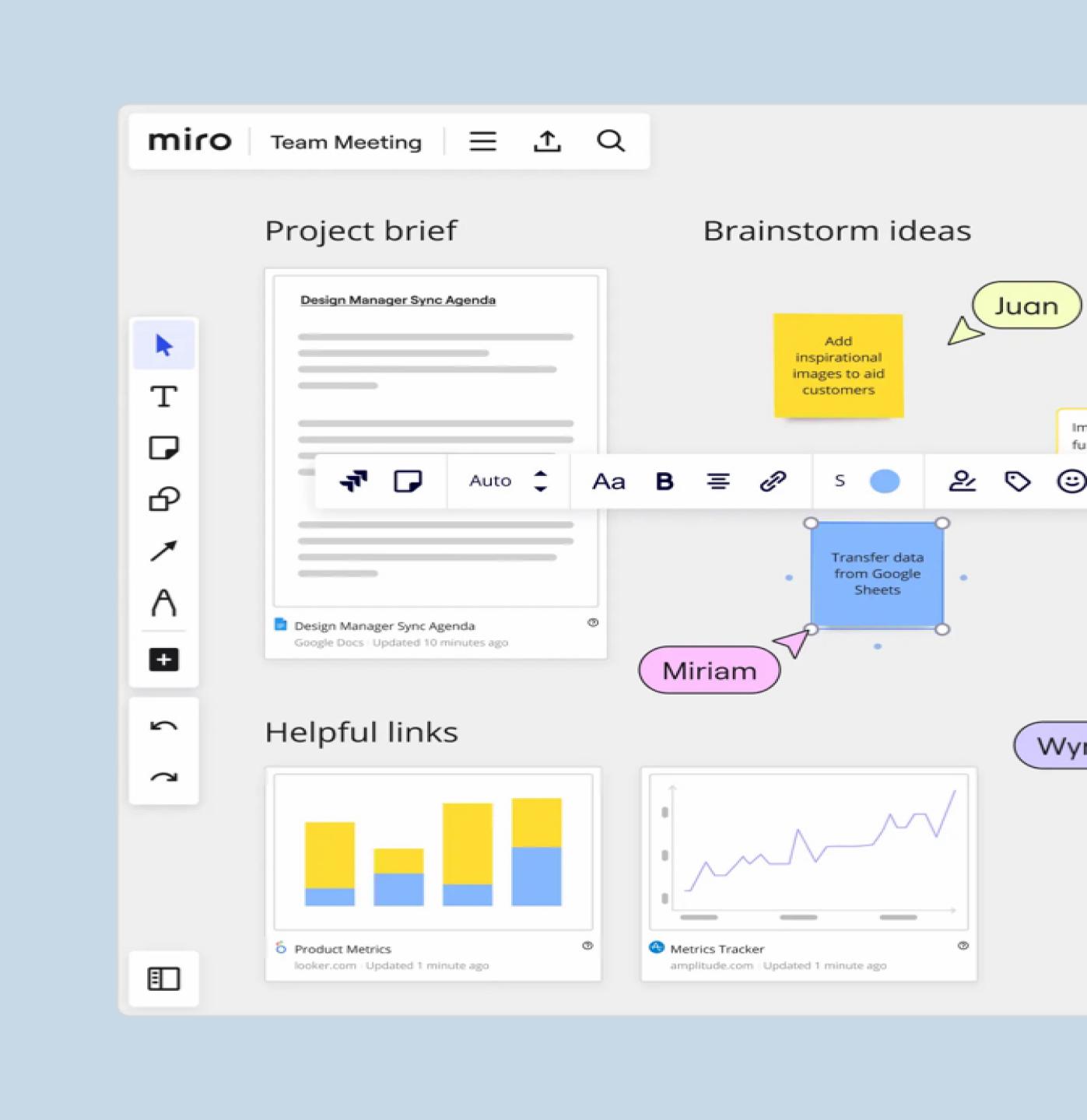
Market Analysis
Market context, competitor review, and opportunity hypotheses.


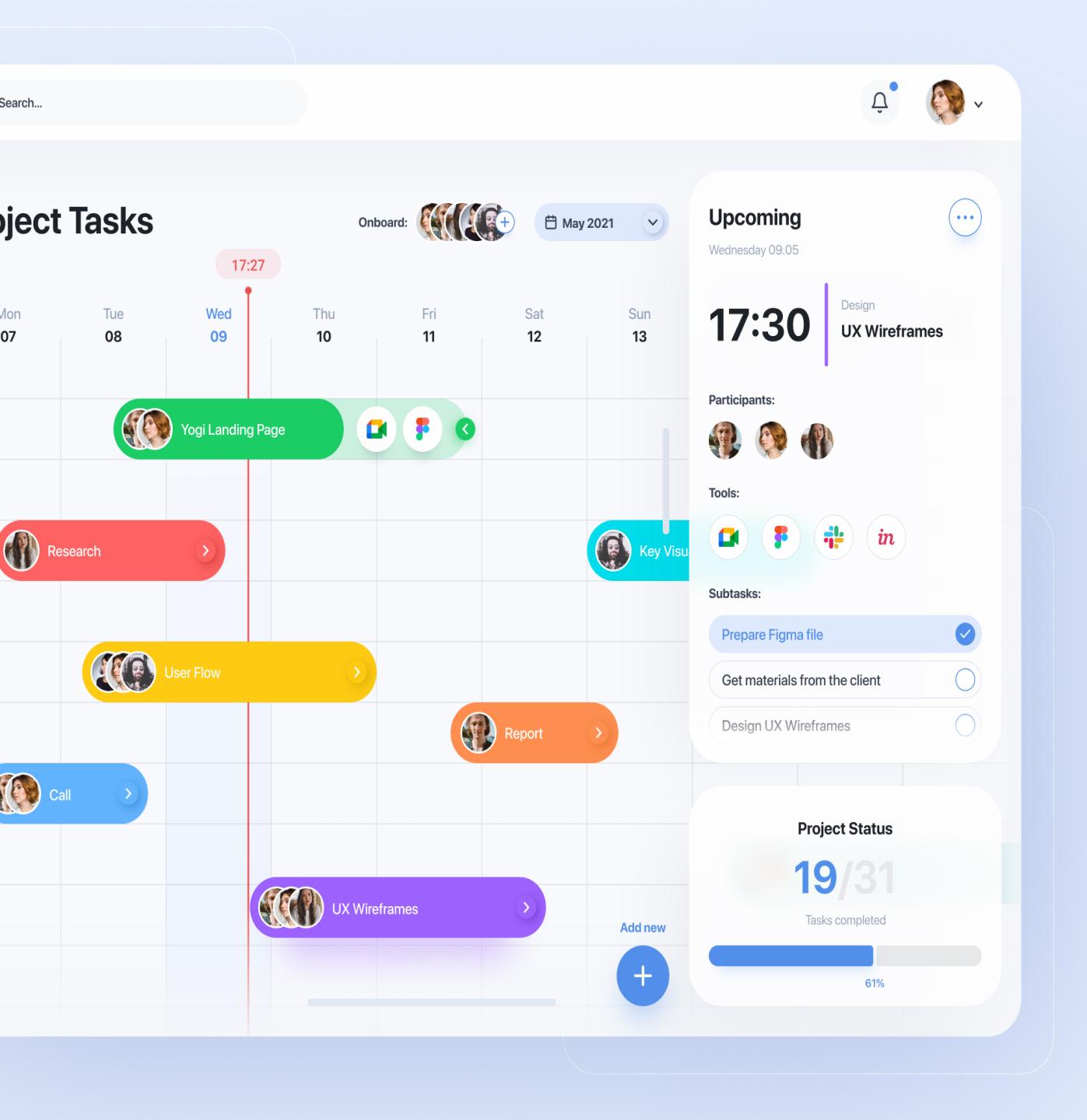
Prioritized recommendations and delivery options informed by research and technical assessment.
We turn agreed discovery questions into documented research, product, and technical findings. The scope and outputs are tailored to the decisions your team needs to make.
When included in scope, interviews, surveys, and usability studies help explore user needs and contexts. Findings inform product priorities, experience flows, and potential success measures.
Possible outputs include user profiles, journey maps, and experience hypotheses that can be explored further through prototyping or delivery planning.
A scoped market review can compare competitor positioning, available product information, and relevant user or pricing evidence to identify potential areas for differentiation.
Findings can inform positioning, feature priorities, and business model options; they do not by themselves establish product-market fit.
Prototypes can help stakeholders review important hypotheses and user flows. When user testing is in scope, feedback can inform design choices and highlight questions for the engineering team.
Testing provides directional evidence about usability and assumptions; it cannot guarantee that a feature will succeed once implemented.
We align product features with clear business outcomes — revenue, retention, or operational efficiency — and recommend viable monetisation approaches.
This includes pricing experiments, success metrics, and a prioritized list of commercially important features.
Technical assessments evaluate architecture options, integration complexity, and scalability trade-offs so you can plan reliable, maintainable systems.
We surface required APIs, data flows, and infrastructure considerations to reduce surprises during implementation.
We use discovery findings to outline possible phases, priorities, and dependencies, balancing business goals with known delivery constraints.
A roadmap may include indicative milestones, dependencies, and outcomes for further planning.
Discovery planning can identify major work areas, dependencies, and directional effort ranges to support early decisions.
Estimates state their assumptions and uncertainty and should be refined as scope and technical details become clearer.
Structured workshops and decision records help stakeholders surface differing views, clarify ownership, and develop a shared understanding of product goals.
Clear decisions can support subsequent planning, although approvals, schedules, and budgets depend on factors beyond discovery.
A focused discovery phase helps clarify the problem, test important assumptions, and identify delivery constraints. It supports informed decisions; it cannot guarantee market demand, delivery speed, or commercial results.
Engagement outputs are agreed in advance and may include user research, market context, technical feasibility, and a phased roadmap. Recommendations identify evidence, assumptions, and open questions so stakeholders can assess the next step.
Clarify user and business needs
Test assumptions and options
Surface constraints and risks
Agree practical next steps

A review of technical and market assumptions can expose known uncertainties and help teams decide what to investigate next.

Prioritization makes the trade-offs behind a potential first release explicit and helps teams focus subsequent planning.

Research and prototype feedback, when included, can inform experience decisions and identify questions for further validation.

A phased roadmap can connect business priorities with known technical constraints, dependencies, and delivery considerations.

Competitive and market research can inform positioning choices and highlight questions about demand that need further evidence.
Early effort ranges and assumptions can support initial planning; delivery estimates should be refined as scope becomes clearer.

Research and available analytics can be synthesized into findings that help stakeholders compare product options.
Workshops and decision records give stakeholders a shared view of priorities, responsibilities, and unresolved decisions.
Concise discovery records can support internal reviews, procurement discussions, and subsequent planning.
A structured, collaborative journey from initial discovery through validated strategy and delivery roadmap.
We review your context, intended users, desired business outcomes, constraints, and current understanding of the problem. Together we agree the decisions discovery should support, who needs to contribute, and what information is already available.
Output: Agreed objectives, scope, stakeholders, and discovery questions

Facilitated sessions bring relevant business, product, design, and technical stakeholders together. We map user journeys and existing workflows, capture requirements, challenge assumptions, and record dependencies, risks, and unresolved decisions.
Output: Prioritized needs, user journeys, requirements, and decision log

We review emerging findings with stakeholders, test interpretations, and identify assumptions that need further evidence. Where useful and within scope, prototype or technical options can be reviewed before recommendations are finalized.
Output: Reviewed findings, open questions, and feasibility considerations

We consolidate evidence and decisions into agreed discovery documentation. Recommendations distinguish confirmed requirements from assumptions and outline potential phases, dependencies, delivery considerations, and risks; estimates are directional until scope is refined.
Output: Discovery summary, prioritized roadmap, risks, and next-step options

Discovery works best when the people who understand the business, users, and technology contribute directly. The exact Grey InfoTech roles depend on scope; client stakeholders remain essential for context, access, review, and decisions.
Discovery outputs are agreed to suit the project scope. They document findings, decisions, assumptions, and open questions so stakeholders can assess options and choose appropriate next steps.
Discovery concludes with a review of what was learned, what remains uncertain, and which options are available. Your team can use the findings to refine scope, commission further research, plan a prototype, or begin delivery planning.
Documented goals, audiences, workflows, and constraints.
Research findings, assumptions, and topics needing validation.
Relevant product, design, and technical approaches for consideration.
Potential scope, dependencies, risks, and delivery planning inputs.
The final format and level of detail are agreed at the start of the engagement. Findings reflect the evidence gathered and scope completed; they are not guarantees of product success, delivery cost, or schedule.